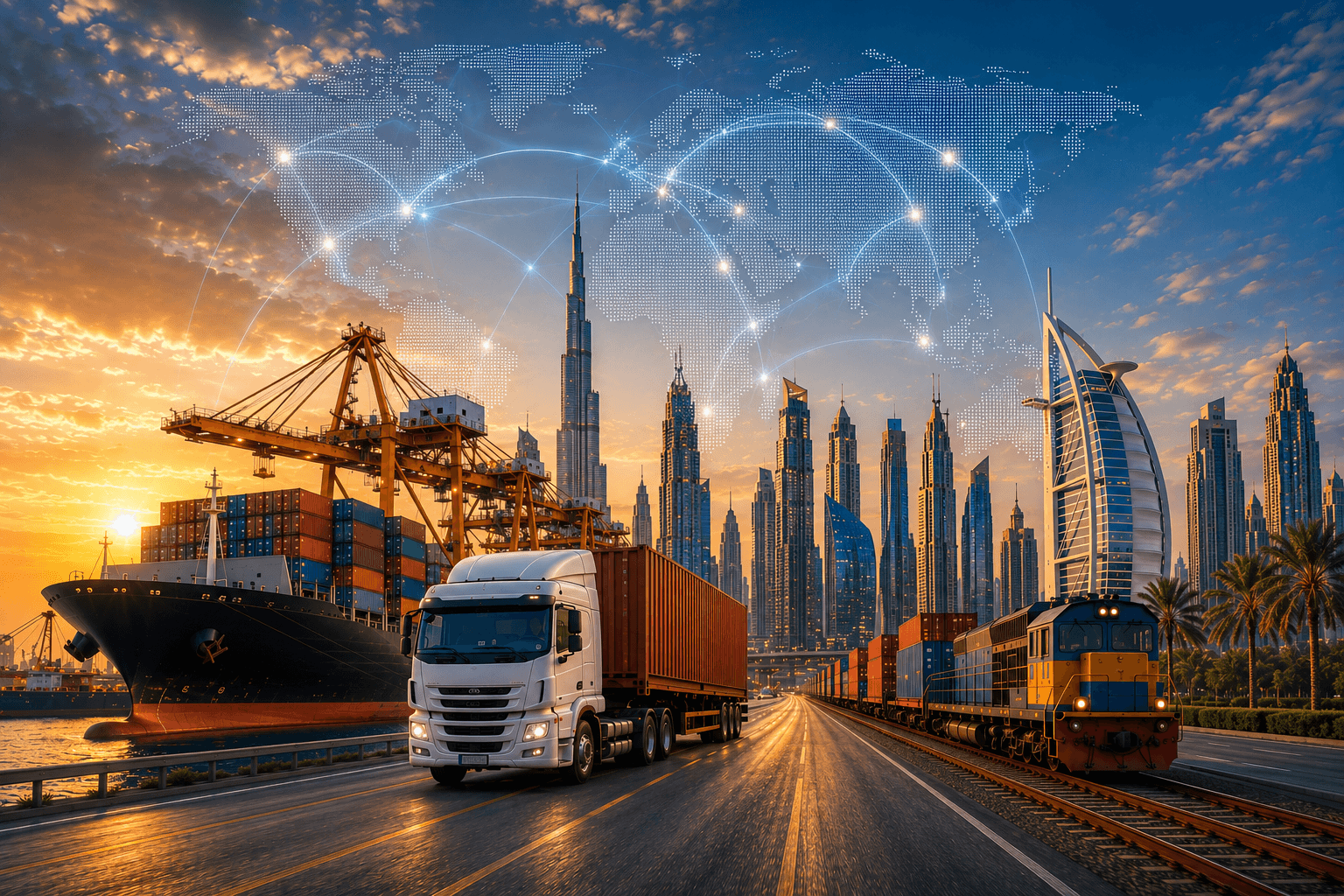
In today’s rapidly evolving global trade environment, the logistics industry plays a critical role in supporting economic development, international commerce, and sustainable growth. As supply chains become more complex and businesses demand faster, smarter, and more environmentally responsible solutions, logistics providers must adapt with innovation, resilience, and long-term vision.
Despite increasing operational challenges across the global logistics landscape, companies that embrace technology, sustainability, and operational excellence continue to create value for businesses and contribute meaningfully to national economic progress.
At Royal Cargo, our focus goes beyond transportation and freight forwarding. We are committed to supporting the nation’s vision for economic diversification, infrastructure development, sustainability, and global trade connectivity through reliable and future-ready logistics solutions.
Supporting Economic Growth Through Logistics Excellence
The logistics industry is one of the key drivers of economic growth. Efficient supply chains enable businesses to expand, industries to operate smoothly, and international trade to move without interruption.
As a trusted logistics partner with decades of industry experience, Royal Cargo continues to contribute to national growth by supporting:
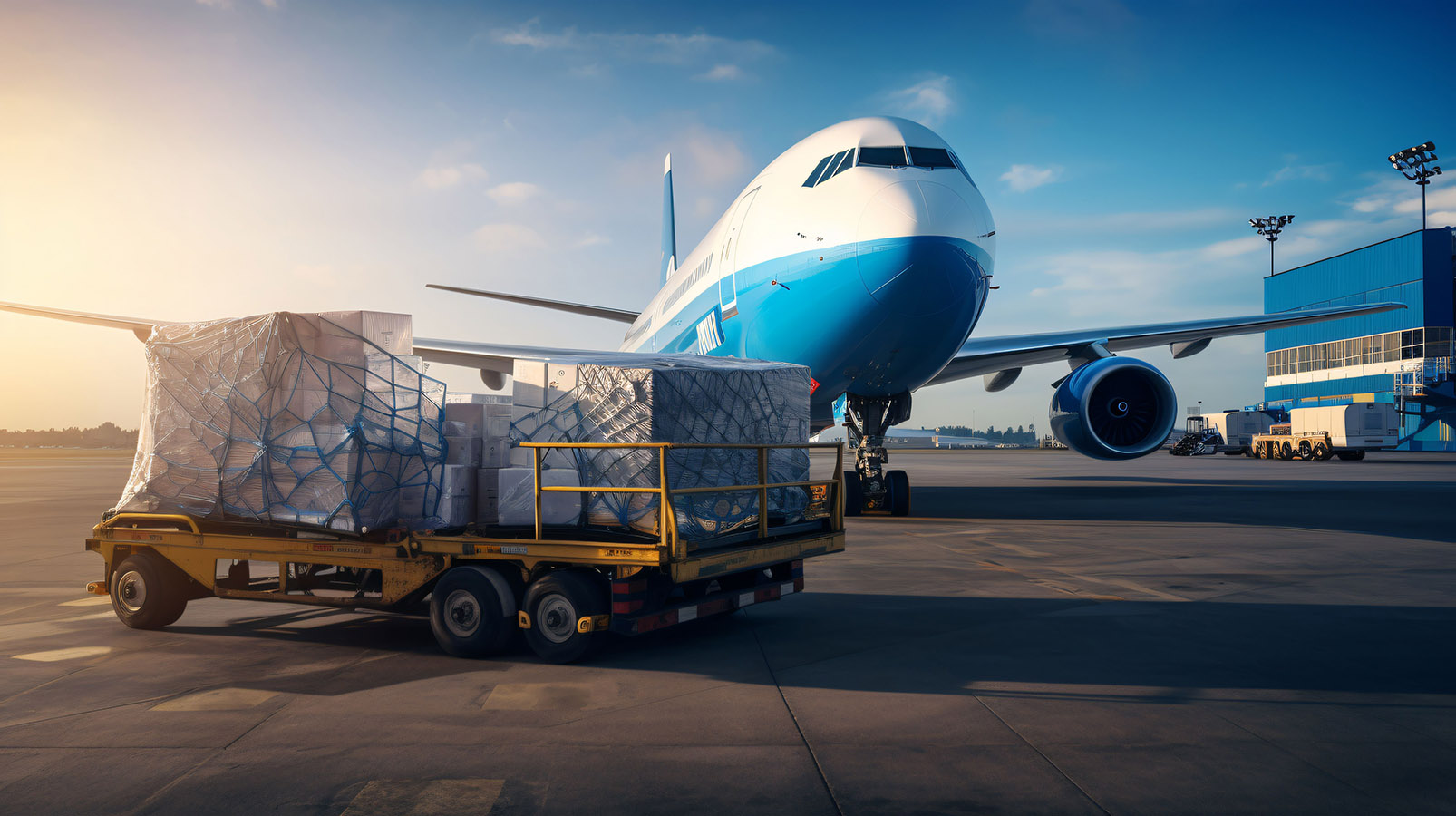
Through integrated logistics solutions across air freight, sea freight, transportation, warehousing, customs clearance, and project cargo handling, Royal Cargo helps businesses maintain smooth and reliable operations in a competitive global market.
Aligning with the Nation’s Sustainability Vision
Sustainability has become a major priority for modern economies and industries worldwide. The logistics sector plays a vital role in reducing environmental impact through smarter operations, optimized transportation, and efficient resource management.
Royal Cargo is aligned with the nation’s long-term sustainability and development goals by continuously improving operational efficiency and adopting responsible logistics practices.
Our sustainability-focused approach includes:
Optimized Transportation Planning
Efficient route planning and shipment consolidation help reduce unnecessary fuel consumption, lower emissions, and improve delivery efficiency.
Digital Transformation and Paperless Operations
By implementing digital systems and automated workflows, Royal Cargo supports:
Digital logistics operations contribute to both operational efficiency and environmental responsibility.
Efficient Warehousing and Resource Management
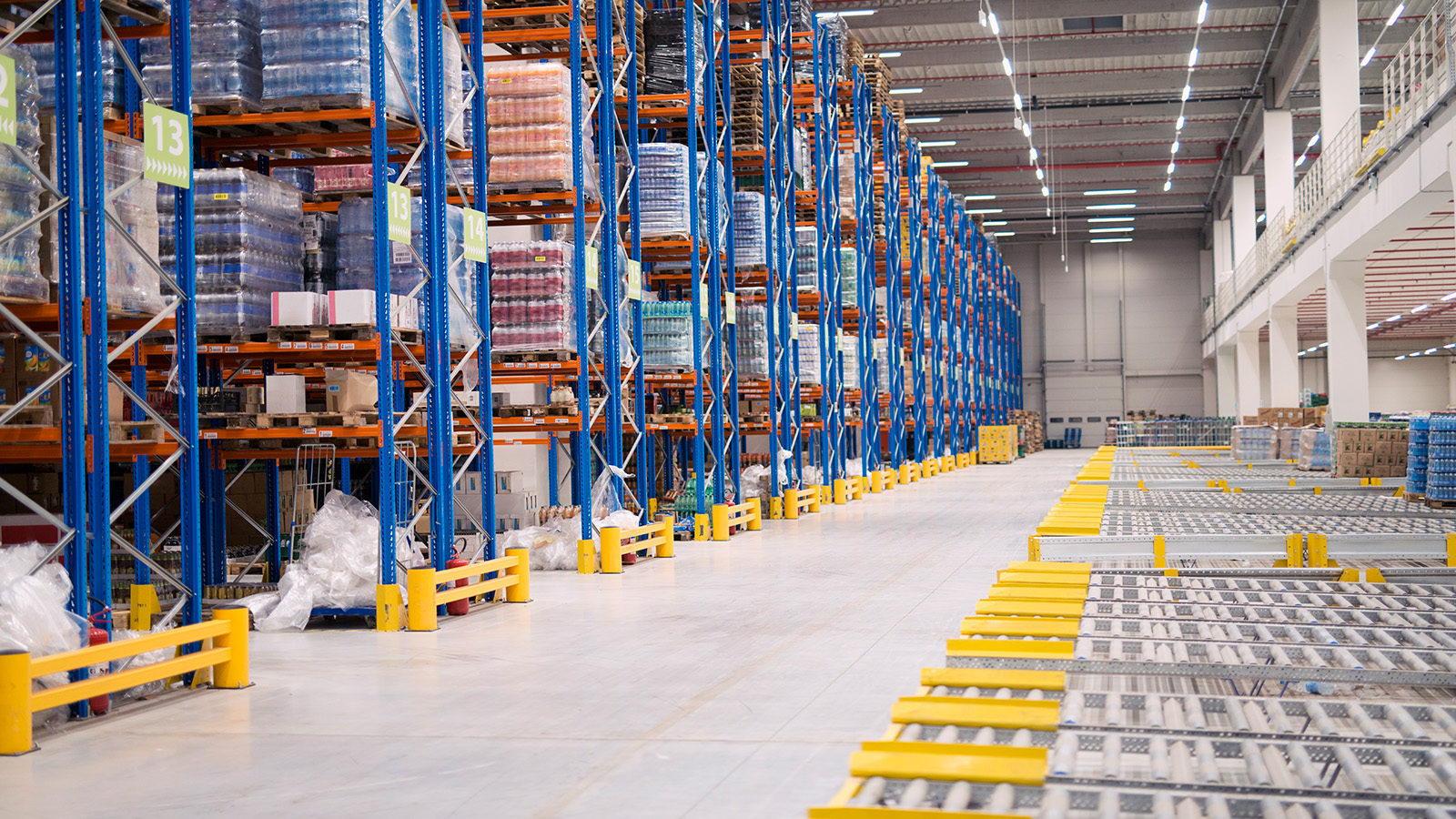
Modern warehousing practices help improve inventory management, reduce waste, and optimize storage utilization while maintaining operational productivity.
Supply Chain Efficiency and Reduced Delays
Efficient cargo movement minimizes operational downtime, unnecessary transportation cycles, and excess resource consumption — supporting a more sustainable logistics ecosystem.
Building Future-Ready Logistics Solutions
As global trade continues to evolve, businesses require logistics partners that can combine operational reliability with innovation and sustainability.
Royal Cargo continues to invest in:
This forward-thinking approach ensures that customers benefit from reliable, scalable, and future-ready supply chain support.
A Commitment to Reliability, Responsibility, and Growth
The future of logistics depends not only on speed and efficiency, but also on sustainability, adaptability, and responsible business practices.
At Royal Cargo, we remain committed to:
By combining decades of logistics expertise with innovation and strategic planning, Royal Cargo continues to move businesses forward while contributing to a smarter, more sustainable future.
Conclusion
In an increasingly connected and competitive global economy, logistics companies have a greater responsibility to support both business growth and sustainable development.
Through technology-driven operations, optimized supply chain solutions, and a strong commitment to operational excellence, Royal Cargo proudly aligns its vision with the nation’s goals of growth, sustainability, innovation, and global leadership.
Because modern logistics is no longer just about moving cargo — it is about creating long-term value, supporting economic progress, and building a sustainable future for generations to come.